

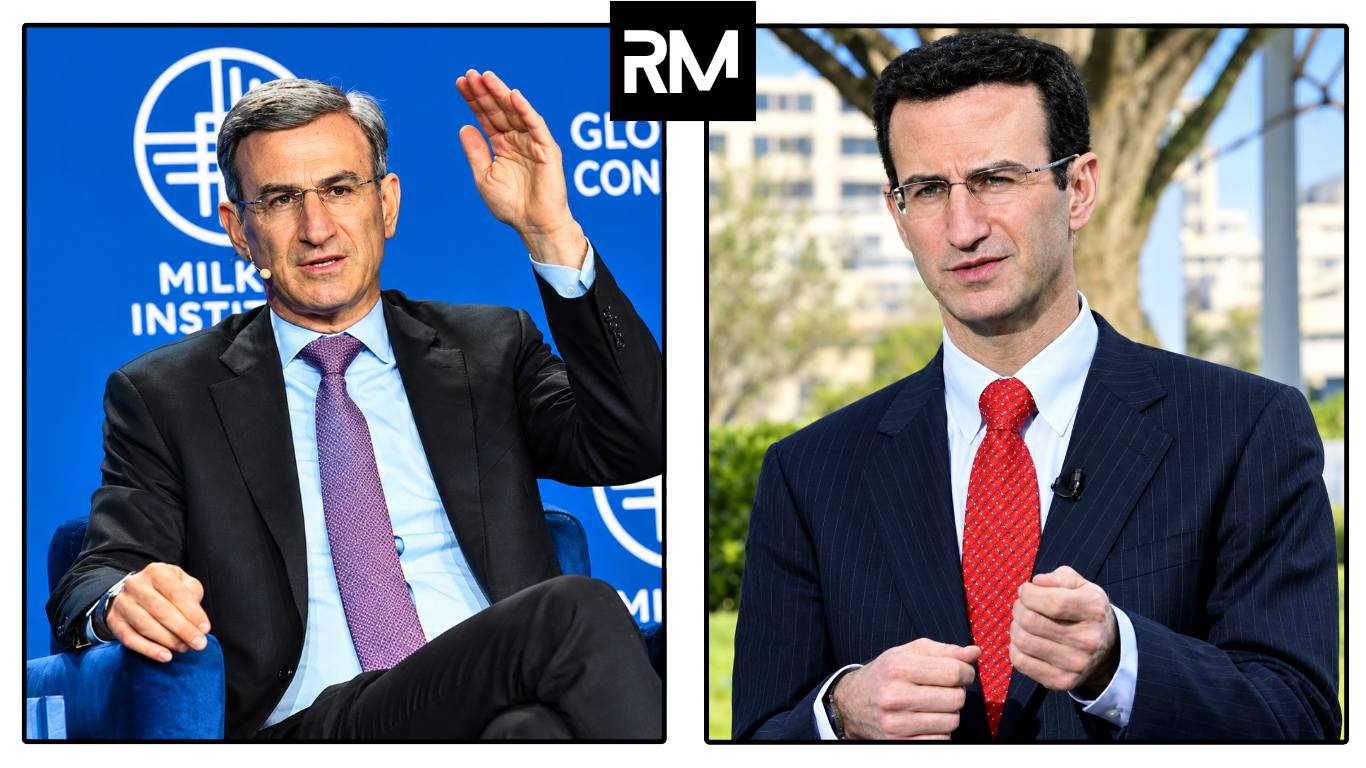
The phenomenon surrounding Peter Orszag hair remains one of the most unexpected internet search trends blending government policy, Wall Street leadership, and public vanity. When casual observers type this phrase into search engines, they often expect a simple story about corporate grooming or celebrity fashion trends. Instead, they uncover a fascinating intersection where high-stakes economic decision-making meets relentless online curiosity. Why would a distinguished policy director and global financial chief generate decades of lingering digital fascination over his haircut? The answer lies in how modern media covers public servants and how search algorithms preserve minor cultural moments long after the news cycle moves on.
Understanding the intrigue behind Peter Orszag hair requires taking a closer look at how Washington figures are transformed into public personalities. In an era where cable news, lifestyle blogs, and social media platforms analyze every physical detail of prominent figures, a distinct appearance can easily overtake policy achievements in search popularity. Whether you came across this search phrase out of genuine curiosity, a funny auto-suggest prompt, or a broader interest in media coverage of political elites, the story offers an entertaining look at how the internet records executive identity. Let us examine the history, media narratives, and rumors that turned this simple physical feature into a persistent search topic.
Introduction: The Unlikely Internet Curiosity Around Peter Orszag
To appreciate why Peter Orszag hair continues to generate web queries, one must first recognize his substantial real-world career. As the Chief Executive Officer and Chairman of the global financial advisory firm Lazard, and formerly the Director of the Office of Management and Budget under President Barack Obama, Orszag has spent decades at the absolute pinnacle of global economics. Yet despite managing billion-dollar federal budgets and advising worldwide mergers, his name frequently surfaces in auto-complete fields tied directly to his personal appearance. This dynamic illustrates the bizarre nature of modern digital celebrity, where serious academic accomplishments often share screen space with superficial public observation.
The online fascination with his hair is not a recent invention; it is a lingering artifact from his time in Washington, D.C. During the intense economic recovery efforts of 2009, reporters and commentators began noticing his polished, structured aesthetic during national press briefings. What started as lighthearted banter in political gossip columns eventually migrated to search engine databases. As millions of users queried his name alongside various stylistic terms, search algorithms indexed these keywords together forever. Today, this curiosity lives on as a textbook case of how public figures navigate the boundary between executive authority and public fascination.
Who Is Peter Orszag? From Washington Policy to Wall Street CEO
Before examining any hairstyle trends, it is essential to establish Peter Orszag’s credentials as a leading figure in modern macroeconomics. Graduating summa cum laude from Princeton University before earning his doctorate at the London School of Economics as a Marshall Scholar, Orszag built an exceptional academic background early in life. He quickly moved into public service, advising President Bill Clinton’s Council of Economic Advisers before co-founding economic research initiatives at the Brookings Institution. By the time he was appointed Director of the Congressional Budget Office in 2007, he was widely regarded as one of the sharpest young minds in fiscal policy.
His prominence reached national levels in 2009 when President Barack Obama selected him to head the Office of Management and Budget during the historic global financial crisis. In this position, Orszag helped formulate the federal budget, oversee economic recovery legislation, and lay the fiscal groundwork for major healthcare reforms. Following his tenure in public office, he successfully transitioned into corporate finance, holding senior executive positions at Citigroup before rising to lead Lazard as CEO. His career represents an extraordinary journey through high-level economics, making the ongoing side commentary about his personal style all the more striking.
The Origin of the Trend: How Media Profiles Focused on the “Peter Orszag Hair” Style
The specific obsession with Peter Orszag hair can be traced directly back to the media landscape of the early Obama administration. At just 40 years old when taking office as OMB Director, Orszag stood out among the traditionally older political establishment. Profile writers at major national outlets regularly highlighted his youthful energy, marathon-running routine, and sharp sartorial choices. Publications like The New York Times, The Wall Street Journal, and Observer frequently included detailed descriptions of his neatly parted, dark hair as part of their broader human-interest framing.
+-------------------------------------------------------------------------------+
|                        THE EVOLUTION OF MEDIA COVERAGE                        |
+-------------------------------------------------------------------------------+
|  2009–2010 (OMB Era)       --> Focus on D.C. bachelor status, dark parted  |
|                                hair, and youthful executive look.             |
|                                                                               |
|  2011–2016 (Citigroup Era) --> Transition to Wall Street commentary, noting   |
|                                executive grooming in global finance.          |
|                                                                               |
|  Present (Lazard CEO)      --> Algorithmic search loops and debunked wig      |
|                                queries surrounding a mature graying look.     |
+-------------------------------------------------------------------------------+
This stylistic commentary gained momentum because Washington journalists loved the contrast between tedious budget spreadsheets and personal charisma. D.C. political culture, usually dominated by predictable attire and routine styling, suddenly had a prominent figure who looked more like a polished corporate executive than a dry bureaucrat. Feature stories repeatedly fixated on his neat, structured hairstyle as a visual metaphor for his precise, methodical economic thinking. Over time, these descriptive magazine paragraphs accumulated online, planting the seeds for what would eventually become a permanent web search trend.
Addressing the Rumors: Does the “Peter Orszag Hair” Feature a Wig or Toupee?
As search traffic around Peter Orszag hair expanded, a parallel internet rumor emerged regarding whether he relied on a wig, toupee, or hairpiece. In the world of online search, high-density male hairstyles on public figures over forty often trigger automatic speculation. Digital forums, blog commentary, and social media users routinely question whether dense or unusually uniform hair in politics and corporate leadership is entirely natural. In Orszag’s case, his thick, dark hairline during his White House years naturally invited a wave of tongue-in-cheek articles and speculative user queries.
A factual review of archival photographs easily resolves these persistent online rumors. Photos documenting his student days at Princeton, his doctoral years at the LSE, and his early government positions show the exact same natural hair growth pattern and density. Furthermore, as he transitioned into corporate executive leadership over the past decade, his hair has followed a completely natural aging process, displaying subtle thinning and silvering along the sides. The persistent “wig” search queries are simply the byproduct of auto-suggest algorithms and internet humor rather than any factual reality.
The Evolution of Peter Orszag’s Hairstyle Over the Decades
Examining how Peter Orszag’s personal style evolved across his career reveals a standard progression suitable for a top-tier executive. During his academic research days in the late 1990s, he maintained a soft, traditional haircut typical of university fellows. It was full, dark, and practical, prioritizing low maintenance over high fashion. This grounded aesthetic mirrored his focus on rigorous statistical research and policy writing before he entered the high-pressure spotlight of presidential administration appointments.
+-------------------------------------------------------------------------------+
|                       HAIRSTYLE EVOLUTION ACROSS DECADES                      |
+-------------------------------------------------------------------------------+
|  1990s Academic Years  | Soft, classic dark cut; simple and practical.        |
|  2009 White House Era  | Polished, side-parted look with sharp structure.     |
|  2020s Corporate Leadership | Natural silvering, mature executive trim.        |
+-------------------------------------------------------------------------------+
When he stepped onto the national stage as OMB Director in 2009, his grooming shifted toward a sharper, more defined corporate look. He adopted a precise side part and a structured style that held up under bright press room lights and international summits. In his current role as Chairman and CEO of Lazard, his hairstyle has evolved once again into a distinguished, graying trim. The jet-black parted look of his early policy days has given way to a sophisticated silver, marking a natural journey from a rising young economist to an elder statesman of international finance.
Why the Public Is Fascinated by Executive and Political Hairstyles
The ongoing interest in Peter Orszag hair speaks to a broader psychological pattern in how society consumes information about leaders. Humans are visually oriented creatures who naturally use physical grooming, attire, and hair to judge discipline and authority. In business and governance, a leader’s visual presentation operates as an unspoken message about their attention to detail. When an executive presents an exceptionally tidy image, the public instinctively connects that physical precision with their professional competence and management style.
Furthermore, public figures in serious fields like macroeconomics or investment banking are rarely evaluated solely on technical output. Because economic models and merger strategies are complex, media outlets and lay observers look for relatable human details to anchor their reporting. Features like hairstyles, athletic habits, and fashion choices humanize individuals who otherwise deal in dry numbers and regulatory policy. Orszag’s image simply became an easy focal point for commentators seeking to make complex financial coverage more engaging for mainstream readers.
How Algorithmic Search Trends Fuel Specific Niche Queries
To fully understand why Peter Orszag hair remains a visible search phrase, one must look closely at how modern search engine mechanics operate. Search algorithms are designed to track user behavior and suggest trending phrases based on past search activity. When a critical mass of users searches for a public figure alongside a specific term—even briefly—the search engine begins predicting that phrase for future users. This creates a self-reinforcing loop where curious readers click on auto-suggested terms simply because they appeared in the drop-down menu.
| Factor | Impact on Search Volume | Long-Term Effect |
|---|---|---|
| Media Profiles (2009) | High initial spike in public interest | Established early keyword co-occurrence |
| Auto-Suggest Engines | Steady, continuous query prompts | Keeps search terms active automatically |
| Content Aggregators | Creation of dedicated lifestyle articles | Indexes search terms permanently in databases |
Additionally, digital lifestyle blogs and celebrity profile sites constantly scan search trends to draft short articles targeting niche keywords. When these sites notice steady search volume for an unusual query, they produce commentary pages that further solidify the keyword’s presence in search engine indexes. As a result, a topic that began as light media commentary during the Obama administration becomes a permanently archived digital entity that continues attracting clicks decades later.
FAQs
What is Peter Orszag’s current professional role?
Peter Orszag serves as the Chief Executive Officer and Chairman of the Board of Directors at Lazard, a leading global financial advisory and asset management firm. Prior to joining Lazard, he held senior executive roles at Citigroup and served as the Director of the Office of Management and Budget under President Barack Obama.
Why do people search for “Peter Orszag hair” on search engines?
The search term Peter Orszag hair originally grew out of extensive media coverage during his time in the White House. Profile writers often commented on his youthful appearance and neat hairstyle. Over time, automated search engine suggestions preserved these historical queries, prompting new generations of readers to look up the trend.
Does Peter Orszag wear a wig or toupee?
No, Peter Orszag does not wear a wig or toupee. Archival photographs spanning his early academic career at Princeton and LSE through his executive tenure at Lazard demonstrate a completely natural hairline that has naturally aged and silvered over the decades.
What were Peter Orszag’s major government achievements?
During his public service career, Orszag led the Congressional Budget Office and later the Office of Management and Budget. He played a central role in drafting federal recovery budgets following the 2008 financial crisis, managing stimulus program metrics, and shaping economic evaluations for major healthcare reform legislation.
Key Takeaways
- Public Persona: Peter Orszag is a world-renowned economist, former Obama cabinet official, and current Lazard CEO whose career spans government and corporate finance.
- Trend Origin: The popular interest in Peter Orszag hair stems from profile journalism during the late 2000s that highlighted his personal style alongside his economic decisions.
- Myth Debunked: Internet rumors suggesting he wears a hairpiece are false; his hairline shows a standard, natural evolution from dark executive styling to silvering maturity.
- Digital Footprint: Algorithmic auto-suggest systems and persistent online content keep niche search queries active long after the initial media cycle has passed.
Also Read: Who Is Sonya Nicole Hamlin?
Conclusion
Ultimately, the digital curiosity surrounding Peter Orszag hair offers an entertaining look into the mechanics of modern internet search culture. What began as routine profile descriptions in political journalism evolved into an enduring online keyword search. While the internet frequently fixes on humorous personal details, Orszag’s true legacy remains grounded in his substantive contributions to macroeconomic policy, fiscal management, and global financial leadership.
As digital algorithms continue to archive public interest, quirky keywords like Peter Orszag hair will undoubtedly linger in search engine prompt boxes. However, peeling back the layers of this search phrase reveals the reality behind the trend: a story of a prominent leader whose sharp presentation captured the attention of Washington journalists and curious internet users alike. Whether viewed as a case study in media coverage or a quirk of search engine mechanics, the topic remains a memorable example of how public identity is shaped in the digital age.
